30 Seconds Summary
- Most backpacks are water-resistant, not fully waterproof; seams and zippers let water in.
- Use waterproof sprays to add a protective coating to the outer fabric.
- Seal seams and protect zippers to stop leaks at common weak points.
- Line your backpack and use dry bags or Ziplocs for extra protection inside.
- A rain cover over your backpack protects your gear from rain, snow, and dust.
Rain can catch you at any time, and when it does, your backpack is often the first thing to suffer. Water can soak through the fabric, slip in through seams, and leave your clothes, laptop, or other gear wet and useless. The good news is that you do not need to replace your bag to fix this problem. With a few simple steps, you can improve its protection and keep your belongings safe.
In this guide, we will learn how to waterproof a backpack using sprays, liners, dry bags, rain covers, and smart packing habits. We will also discuss how proper care can help your backpack stay water-resistant for many years.
Why Most Backpacks Are Not Fully Waterproof?
Most backpacks are made for daily use. They are built to be light, comfortable, and affordable. Because of this, they are not designed to block water completely. Many brands use water-resistant bag material, which can handle light rain but not a long storm. After some time in heavy rain, water can still seep inside.
Here are the main reasons why most backpacks are not fully waterproof:
- Stitched seams and zippers: Backpacks are sewn together with thread. Each stitch makes tiny holes where water can enter. Regular zippers also let water pass through during rain.
- Breathability and comfort: Fully waterproof fabrics are thick and stiff. They can feel hot and heavy on your back. Most people prefer soft and breathable fabric for daily use.
- Cost and production: Making a 100% waterproof bag needs special tools and sealed seams. This process is more expensive, so many brands avoid it.
- Weight and drying time: Waterproof materials like PVC or TPU are heavier. Standard backpacks dry faster after rain because they allow air to pass through.
Many people also ask, " Is a nylon bag waterproof? The answer is no. Nylon can resist some water, but it is still porous and has stitched seams. Without special coating and sealed edges, water will find a way in.
For most users, it makes more sense to improve their current bag. A water-resistant backpack with a rain cover or dry bags inside is often enough for daily travel or hiking.
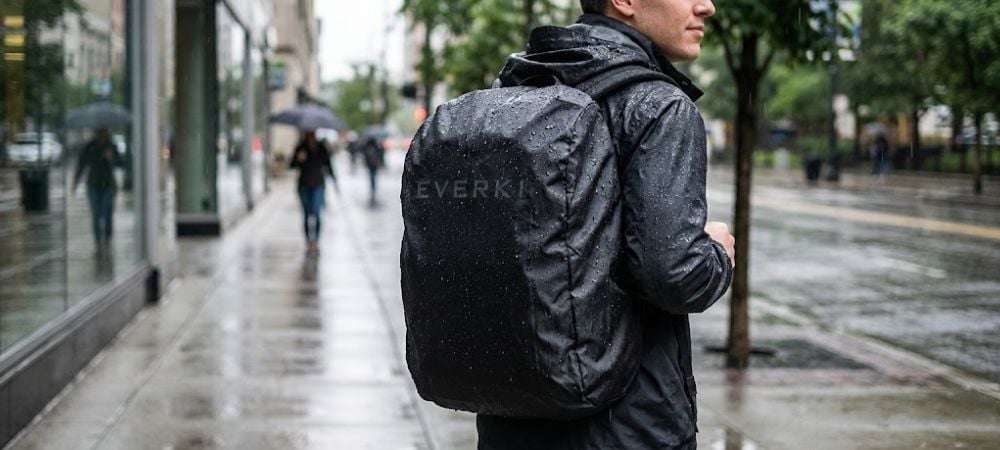
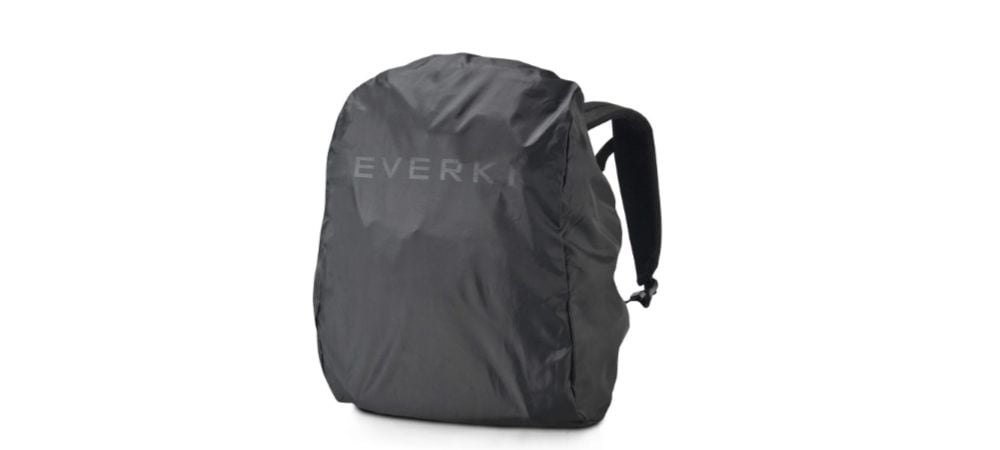
Don’t let sudden rain ruin your gear. The EVERKI Backpack Rain Cover stretches over your bag to guard it from rain, snow, and dust, giving you simple and reliable protection when the weather turns bad.
How to Make a Backpack Waterproof: 5 Simple Steps
Can you waterproof a backpack? Yes!
Here are 5 simple steps you can use to waterproof a backpack.
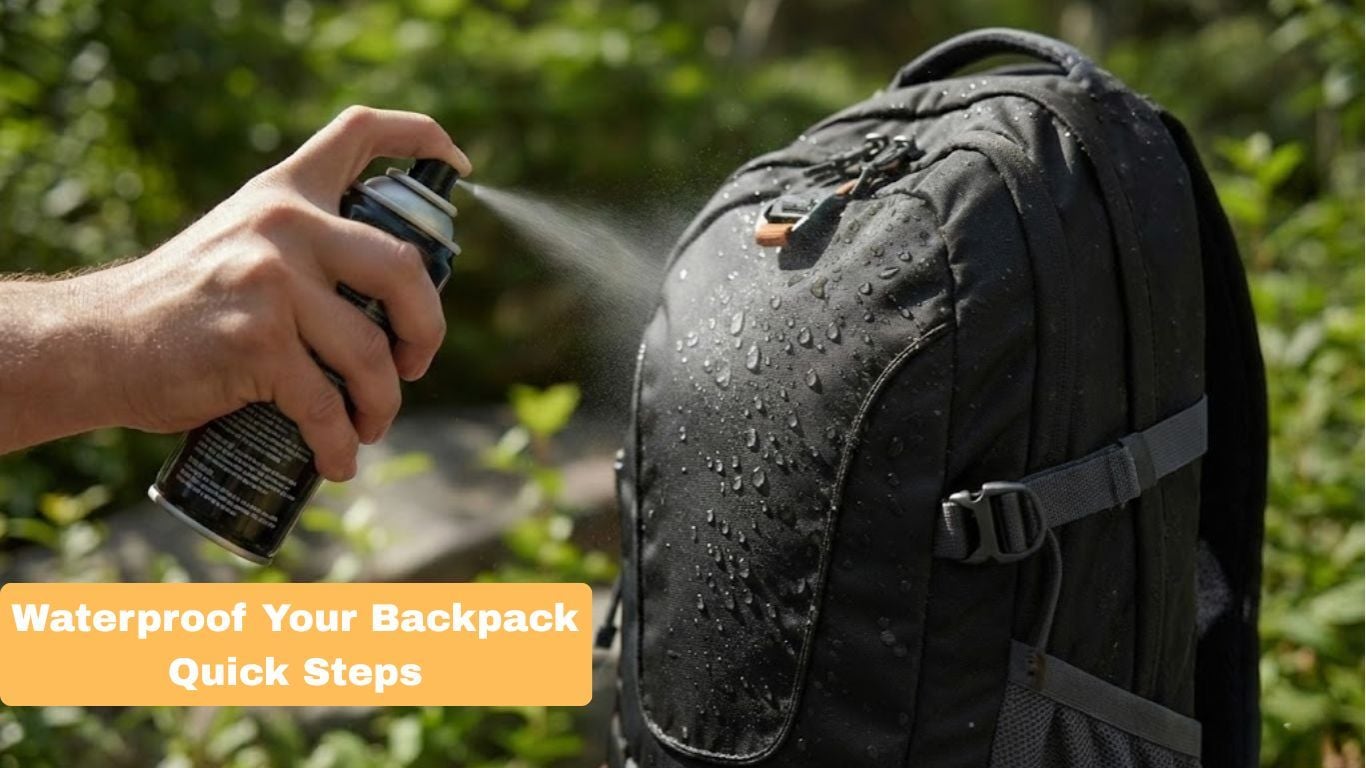
Step 1: Use a Waterproof Spray the Right Way
The first step in waterproofing backpack fabric is to use a waterproof spray. These sprays add a special coating called Durable Water Repellent (DWR). It makes water form beads on the fabric and roll off instead of soaking in. This is an easy way to keep your bag dry.
- First, clean your backpack and let it dry. Dirt stops the spray from working well.
- Spray the bag evenly from about six inches away.
- Pay extra attention to seams, zippers, and areas that get rubbed a lot, like the straps and back.
- Let it dry completely. You can spray a second layer for better protection.
Remember, a spray alone does not make your backpack completely waterproof. It helps in the rain, but water can still get in through zippers or seams. For more protection, use a rain cover, a seam sealer, or an internal liner. Always check that the spray works with your bag’s material, like nylon or canvas, so it does not get damaged.
Step 2: Seal Seams and Protect Zippers
The next step is to stop water from getting in through the seams and zippers. These are the most common places for leaks. First, clean your backpack and turn it inside out. Stuff it lightly so the seams are easy to reach.
- Use a silicone or urethane-based seam sealer on all stitching lines.
- Brush it on carefully, focusing on corners and high-stress points.
- Let it dry for 8–12 hours, or ideally 24 hours, in a well-ventilated area.
- For special fabrics like Dyneema, you can use seam tape instead of liquid sealant.
Zippers can’t be fully sealed, but you can make them water-resistant.
- Rub beeswax or silicone lubricant along the zipper teeth.
- If your bag doesn’t have zipper flaps, consider adding one to cover the track. This will help prevent rain from sneaking in.
Adding these small protections makes a big difference. Even if your backpack is not fully waterproof, sealing seams and protecting zippers keeps most water out and helps your bag stay dry in daily use.
Step 3: Line the Inside of Your Pack
The next step is to protect your gear from the inside. The best way is to use a large, strong plastic liner or a waterproof pack liner. This acts as a barrier against rain, leaks, or condensation.
Place the liner inside your empty backpack first. Make sure it covers all sides. Then pack your gear inside the liner. Leave extra material at the top so you can twist or roll it tightly. This makes a watertight seal. For extra protection, put smaller items like electronics or a sleeping bag in dry bags inside the liner.
If you are learning how to waterproof a rucksack, this is one of the most reliable and budget-friendly steps. It works even if the outside of the bag gets wet and helps keep clothes, food, and gadgets dry.
Step 4: Protect Gear with Dry Bags and Ziplocs
To keep your gear really safe, add extra layers inside your backpack. Use dry bags and Ziploc bags for small or sensitive items. Dry bags are made from waterproof material for bags and have roll-top closures. They are strong, reusable, and great for electronics, sleeping bags, or clothes. For smaller items like phones, chargers, or first aid kits, Ziploc bags work well and are easy to find.
Pack items carefully: roll or twist dry bags tightly to seal them, and place smaller Ziplocs inside for a double layer of protection. This prevents water from getting in, even if the backpack is wet from rain or spills.
This layering method is simple but very effective. Even if the outer backpack gets wet, your gear stays dry and organized. Using dry bags and Ziplocs along with a pack liner or rain cover gives your bag a full, reliable defense against water.
Step 5: Add a Rain Cover for Extra Safety
The last step is to protect your backpack from the outside using a rain cover. A rain cover slips over your bag and keeps rain, snow, dust, and dirt out. Most hiking backpacks have a small pocket at the bottom with a built-in cover. If your bag doesn’t, you can buy one that fits your size. Covers are light, foldable, and easy to use.
- To use it, pull the elastic edge over the top of your backpack and stretch it down to cover the bottom.
- Tighten the drawstring so it stays in place.
- Make sure your shoulder straps remain outside so you can carry your bag comfortably.
Many covers are made of waterproof nylon or polyester with a PU coating. Some even have reflective strips for safety.
If you want to learn how to make a waterproof backpack cover, combining a rain cover with a pack liner inside is a simple method. This layered approach keeps both your backpack and the gear inside dry, even in heavy rain or snowy conditions.
Check out the EVERKI backpack rain cover.
A Quick Guide on Waterproofing Your Bag
| Step | What You Need | Benefit |
| 1. Waterproof Spray | DWR spray, clean backpack | Repels water on the outer fabric and protects against rain |
| 2. Seal Seams & Zippers | Silicone seam sealer, beeswax, or silicone zipper lubricant | Prevents leaks through stitching and zippers |
| 3. Line the Pack | Heavy-duty trash bag, waterproof pack liner | Protects all items inside, even if the bag gets wet |
| 4. Dry Bags & Ziplocs | Dry bags, Ziploc bags | Extra layer for electronics, clothing, and valuables |
| 5. Rain Cover | Backpack rain cover | First line of defense from rain, lightweight, and portable |
Learn the difference between waterproof vs. water-resistant bags. Read the full guide on EVERKI.
Common Mistakes That Let Water In
These small mistakes let water seep into your backpack:
- Many people forget to close zippers fully before walking in the rain.
- Others overpack their bag, which strains seams and creates small gaps.
- Dirt in zippers also stops them from sealing tightly.
- Another issue is thinking that spray treatment lasts forever. It does not. After heavy use or washing, you must reapply it.
Maintain Your Backpack Over Time
Waterproofing is not a one-time job.
- Reapply the spray every few months if you use your bag often.
- Clean and lubricate zippers to keep them smooth.
- Store your bag in a dry place to prevent mold and fabric damage
If you are handy, you can even learn how to make a waterproof backpack cover at home using strong plastic and an elastic cord. While not perfect, it works well in emergencies.
Over to You
With these 5 simple steps, you can easily make your backpacks waterproof. All you need to do is clean it, spray a water repellent, seal the seams, use a liner and dry bags, and finish with a rain cover.
If you are looking for a good-quality laptop backpack, head over to EVERKI.
Shop with EVERKI today!
FAQs
Q: Can I make any backpack fully waterproof?
A: Most backpacks are made from water-resistant fabric. You can protect your gear using sprays, liners, dry bags, and a rain cover, but zippers and seams may still let water in during heavy rain.
Q: How often should I apply waterproof spray?
A: You should reapply waterproof spray every few months or after heavy use or washing.
Q: Are nylon backpacks waterproof?
A: Even though nylon is water-resistant, it is not fully waterproof. You can use sprays and liners to protect your items, but water can still get in through stitching and zippers.
Q: Do I need a rain cover if I already use a liner?
A: Yes, you need a rain cover even if you use a liner. A liner protects the inside, but a rain cover protects the bag from direct rain and snow.
Q: How to make a waterproof backpack cover?
A: To make your own waterproof backpack cover, take a big, strong plastic bag or sheet. Wrap it over your backpack and tuck the edges under, or add a string to hold it tight. Make sure the straps stay free so you can carry it.