30-Second Summary
- Learn how to choose an eco-friendly backpack that balances durability, comfort, and sustainability.
- Understand backpack materials, including recycled fabrics, and why they matter for the planet.
- Get guidance on fit, weight distribution, and capacity for commuting, travel, or hybrid work.
- Follow a step-by-step Buyer’s Guide to verify certifications like GRS and Bluesign while making practical, sustainable choices.
Make sustainable choices that support your lifestyle without compromising comfort or performance.
Why an Eco-Friendly Backpack Is Important
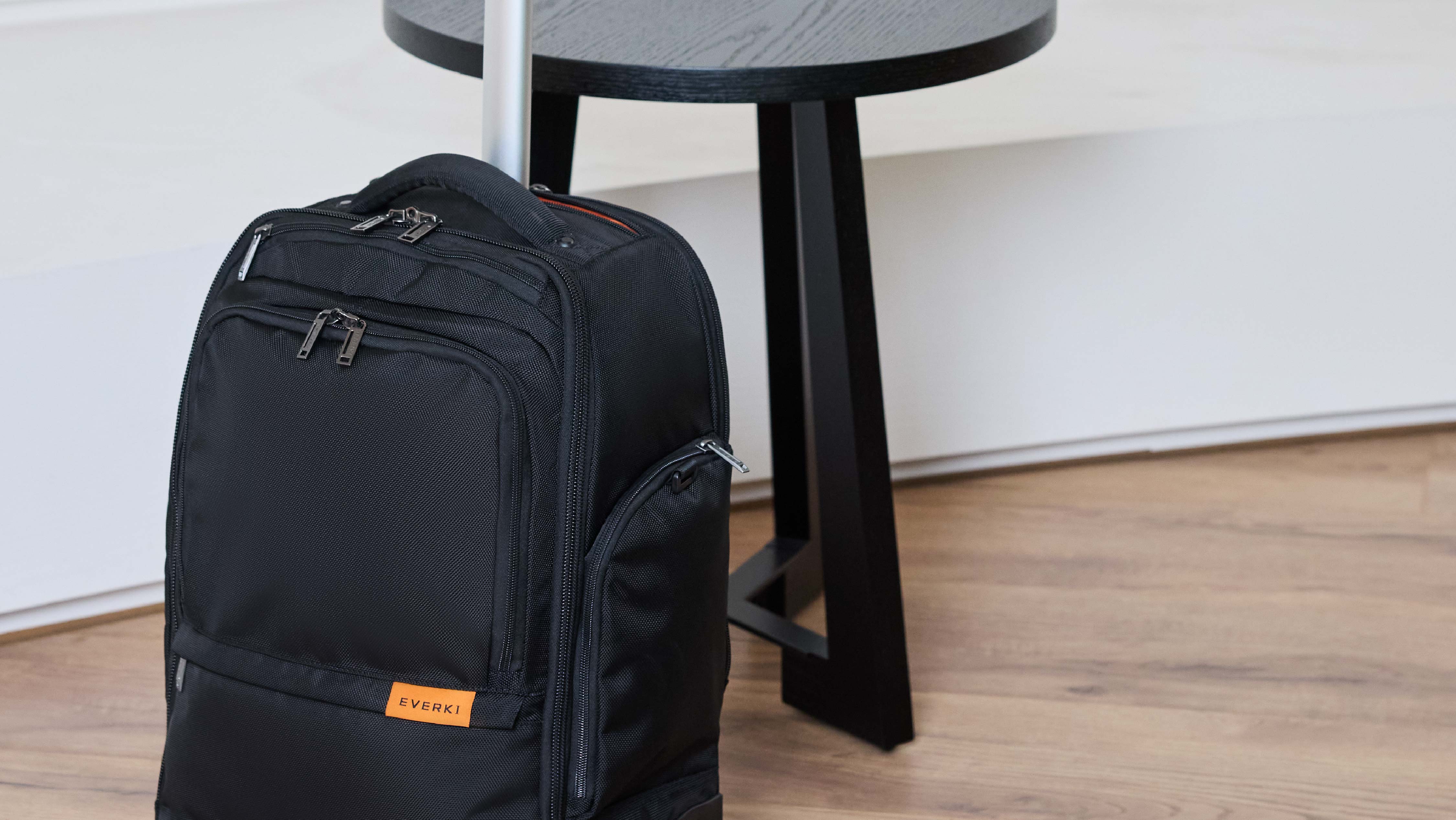
Choosing an eco-friendly backpack is more than a style statement; it’s a conscious step toward reducing environmental impact. Traditional backpacks are often made from non-recycled plastics, nylon, or other synthetic materials that contribute to pollution, landfill waste, and microplastics in the environment. By choosing a recycled materials backpack or a bag made from recycled plastic bottles, you actively reduce the demand for new materials and encourage more sustainable production practices.
Investing in an eco-friendly laptop backpack or sustainable backpack also means choosing a product designed to last longer. High-quality construction ensures that your bag can withstand daily commuting, business travel, gym sessions, and hybrid work routines without wearing out quickly.
Some of the best eco-friendly backpacks include the Studio Expandable ECO, which combines functionality, durability, and sustainability. Choosing an eco-conscious backpack is a practical way to align your daily life with your values while enjoying style, comfort, and convenience.
Know Your Backpack Needs Before You Buy
The first step in choosing a sustainable backpack is understanding how you will use it every day. An eco-friendly backpack should fit your lifestyle, not just look environmentally friendly.
Questions to Ask Yourself:
- Do you carry a laptop, gym gear, travel essentials, or a combination of the three?
- How often will you travel or commute with this bag?
- Are you looking for compact, everyday use or expandable capacity for trips?
- What backpack material best suits your activities?
Recommended Products:
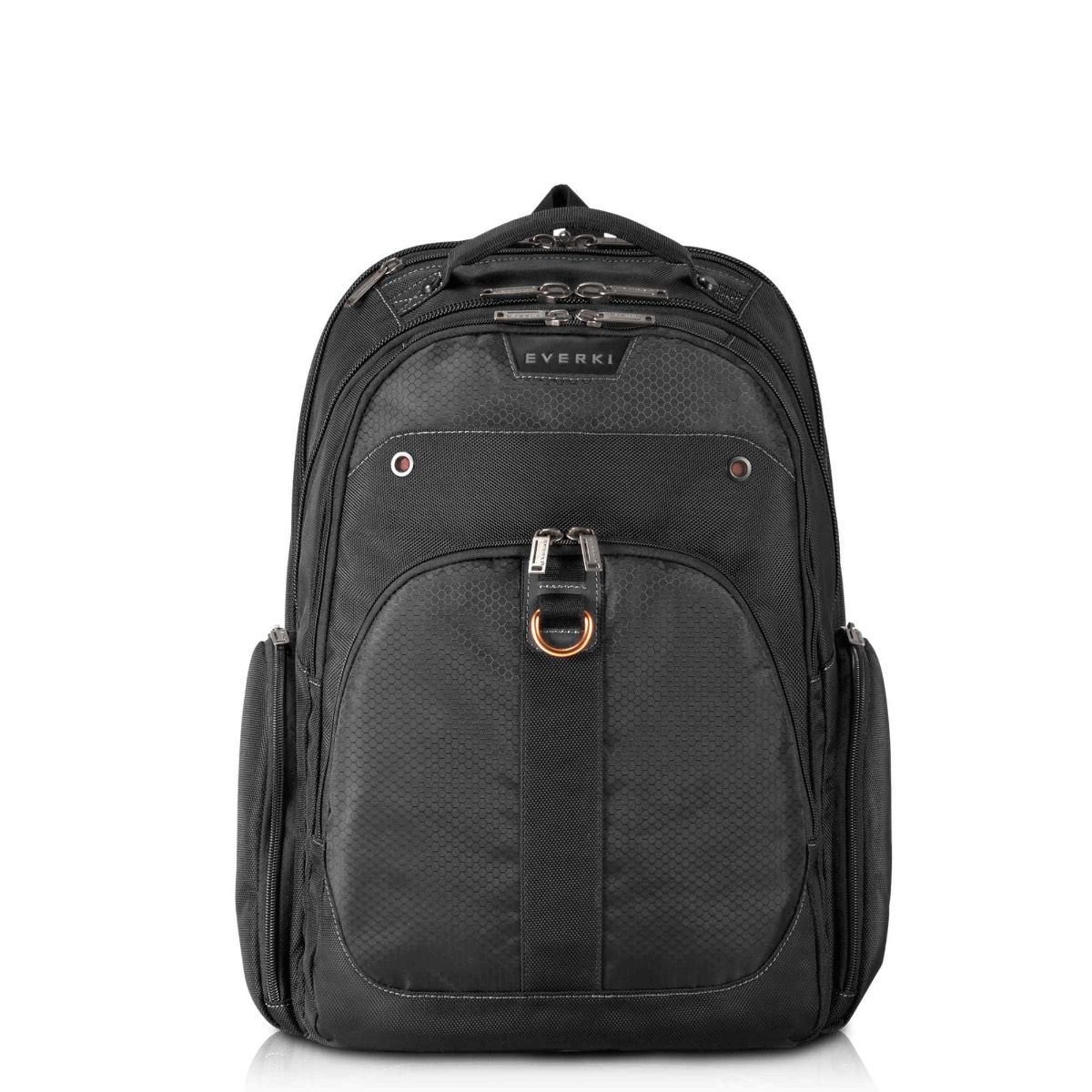
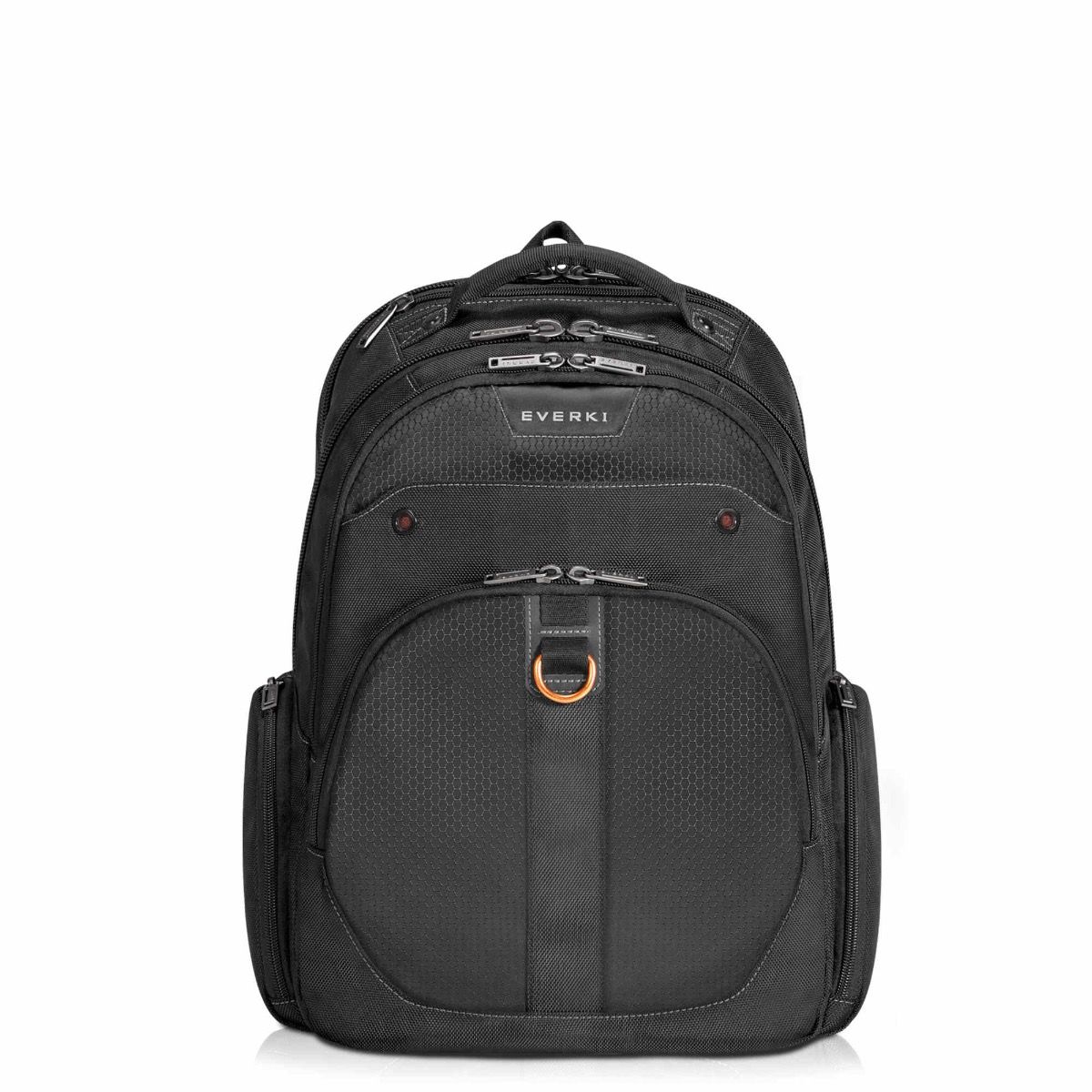
- Everki Atlas Laptop Backpack (fits 13″–17.3″) — Ideal for students or commuters, with padded compartments for laptops, tablets, and documents. Ergonomic design reduces strain, supporting long-term use.
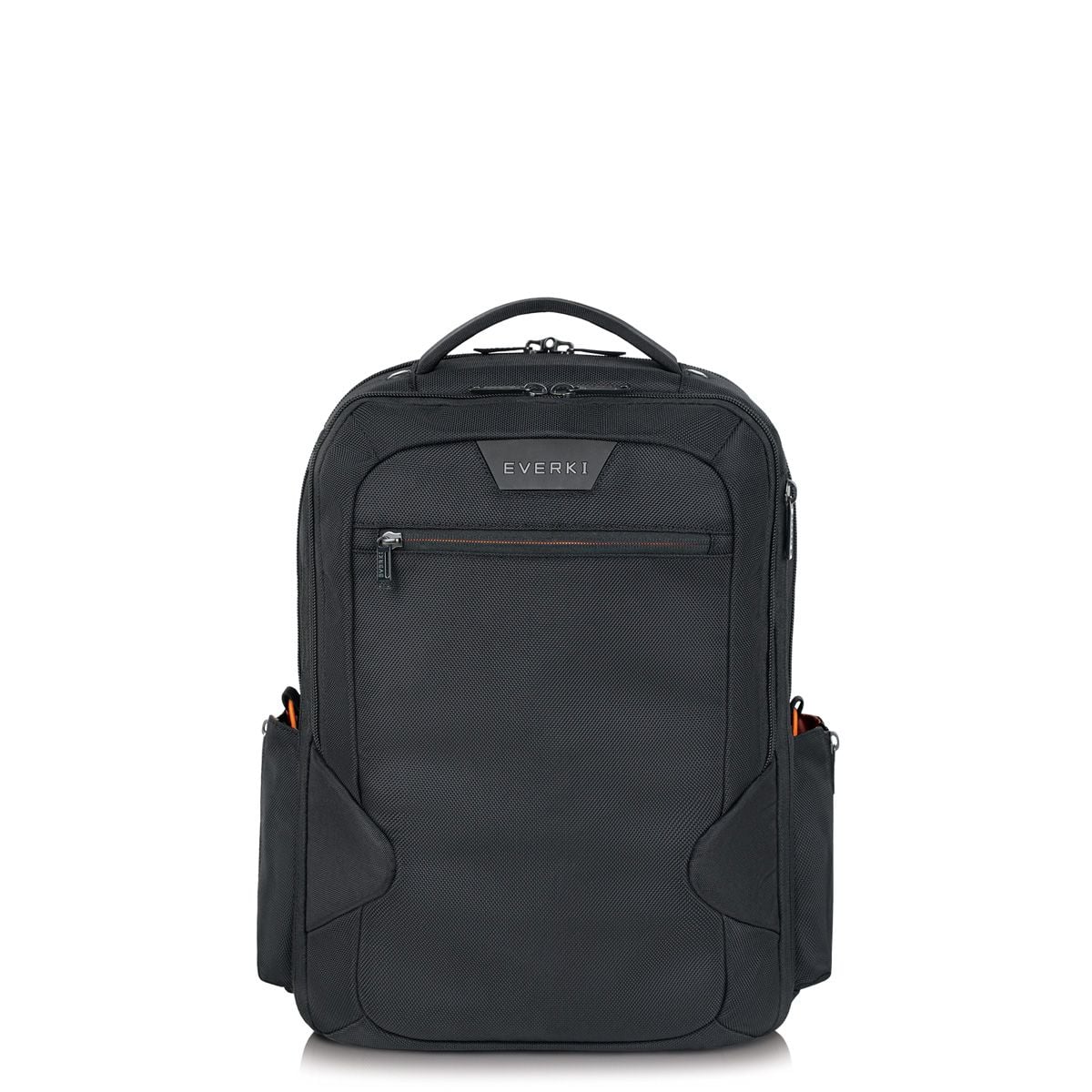
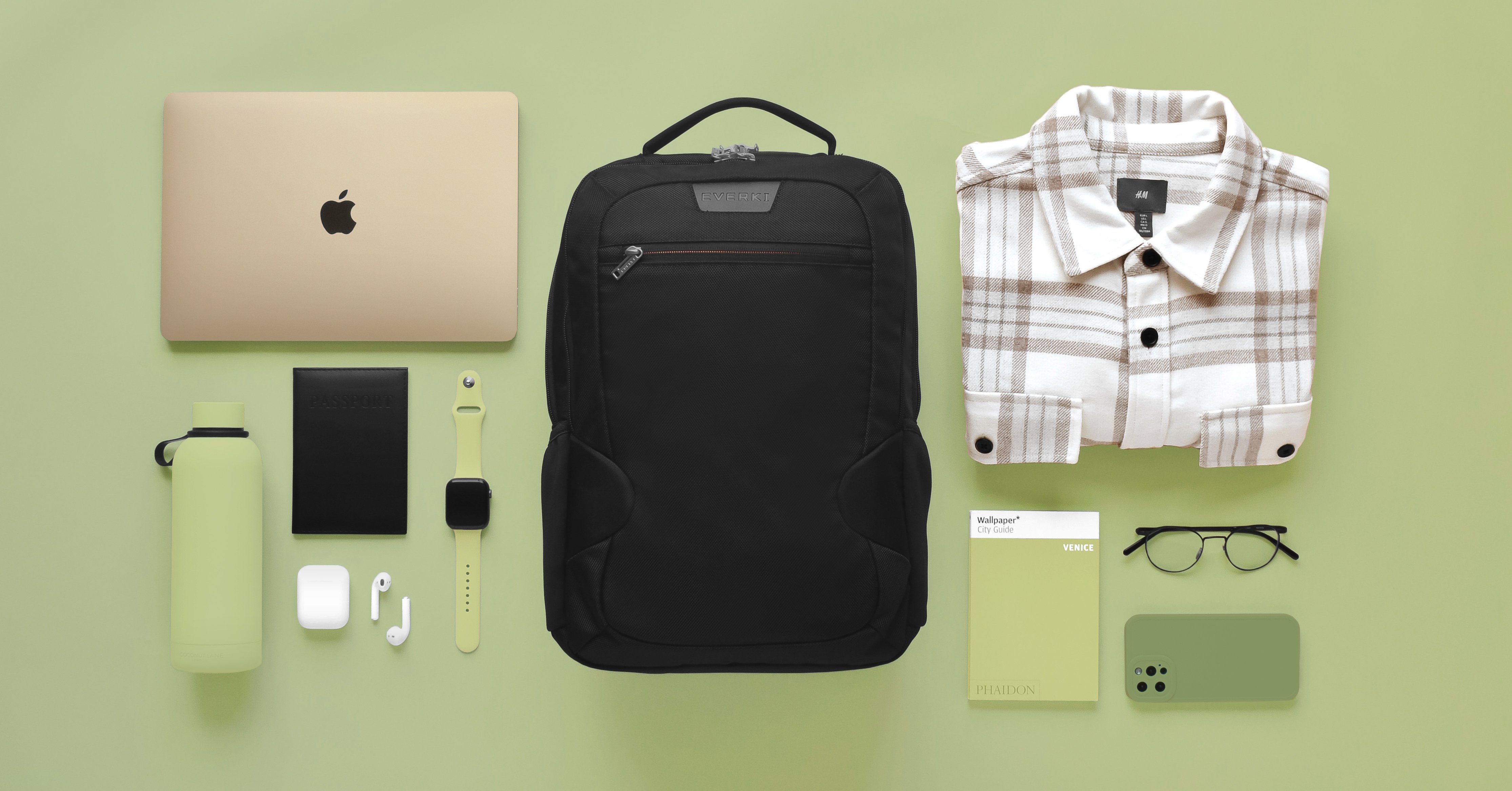
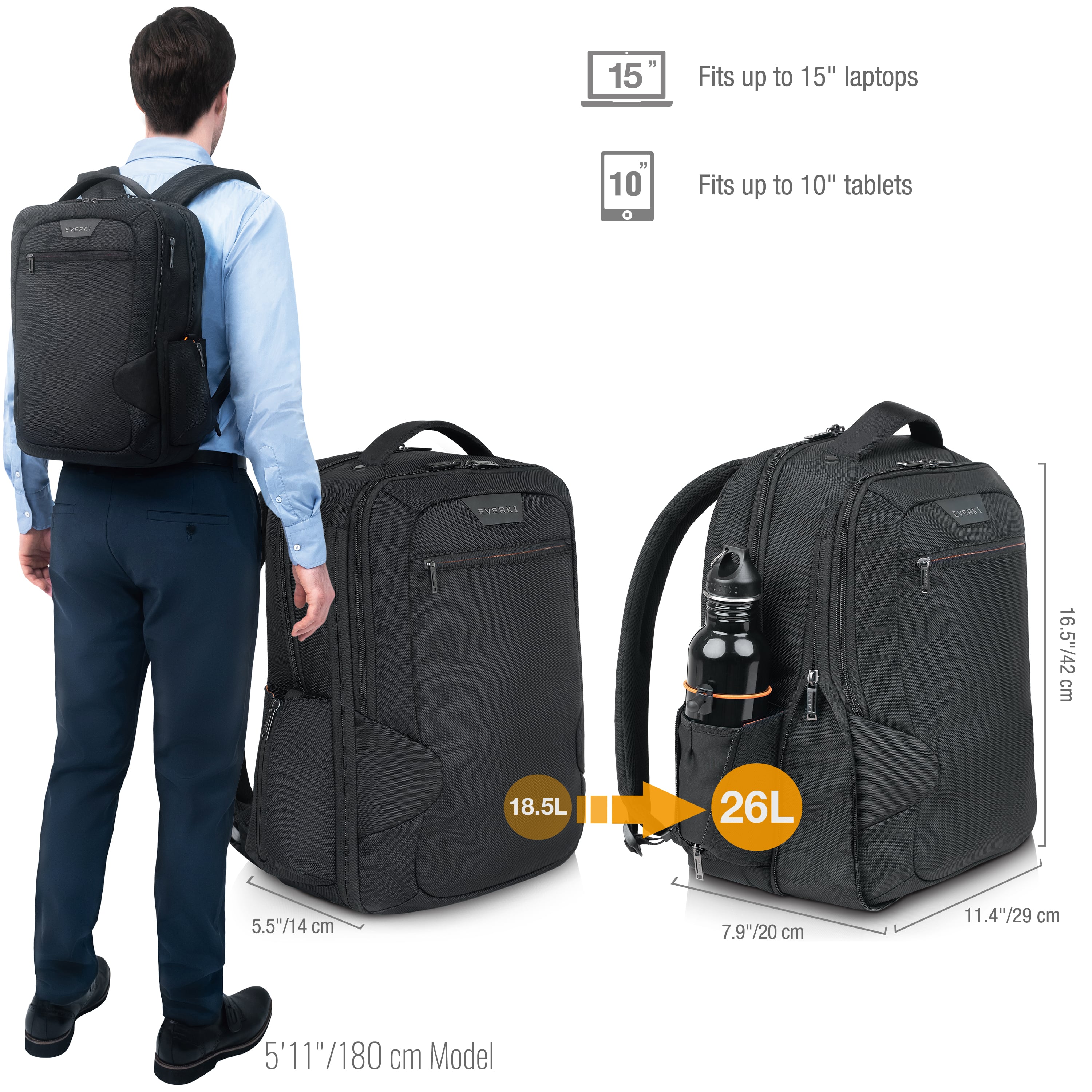
- Everki Studio Expandable ECO Backpack — Made from recycled plastic bottles, this backpack is perfect for laptops, clothes, chargers, and daily essentials. Its expandable design adjusts from 18.5 L to 26 L for work, gym, or travel.
Tip: Knowing your backpack needs upfront can help you avoid buying a bag that is too large, too small, or unsuitable for your routine. This ensures a durable, practical, and eco-friendly choice.
Match the Backpack to Your Lifestyle
Different lifestyles demand different backpack designs. Selecting the right bag ensures long-term usage and minimizes environmental impact by reducing replacements.
Commuters & Students
- Look for sustainable laptop backpacks with multiple compartments for laptops, notebooks, chargers, and personal items.
- Padded sections protect electronics, while smart organization reduces clutter.
- Recommended: Everki Atlas Laptop Backpack.
Travelers
- Choose an eco-friendly travel backpack with expandable storage, quick-access pockets, and durable construction.
- The Studio Expandable ECO adjusts from 18.5 L to 26 L, perfect for weekend trips, short flights, or hybrid workdays.
Hybrid Workers & Frequent Flyers
- Versatile compartments allow a smooth transition from the office to the gym or for travel.
- Ergonomic designs prevent back or shoulder strain, encouraging consistent use.
- Recommended: Studio ECO Backpack, for day-to-day adaptability and eco-conscious material use.
Tip: Choosing a backpack that aligns with your lifestyle ensures that it stays in use longer, which is one of the most important aspects of sustainability.
Choose Durability — Make a Sustainable Decision
Durability is key to sustainability. Even backpacks made from recycled materials lose their eco-benefit if they wear out quickly. Choosing a well-constructed, long-lasting backpack ensures daily use for commuting, travel, or hybrid work while maximizing environmental impact and reducing the need for replacements, making your sustainable choice truly effective.
Durability Features to Look For:
- Reinforced stitching and strong seams for long-term reliability.
- Smooth, high-quality zippers that resist snagging and breakage.
- Padded laptop and tech compartments to protect your electronics.
- Water- and weather-resistant materials to keep belongings safe.
- Smart internal organization to prevent wear and tear on frequently used compartments.
Recommended Products:
- Everki Atlas Laptop Backpack — Known for rugged construction and long-term reliability.
- Everki Studio Expandable ECO Backpack — Crafted from recycled materials, including backpacks made from recycled bottles, combining durability with eco-conscious design.
Tip: Investing in a durable backpack maximizes the environmental benefits of recycled materials by reducing replacements and extending the product’s useful life, making your sustainable choice more impactful over time.
Prioritize Fit, Comfort, and Weight Distribution
Even the most eco-conscious backpack is ineffective if it isn’t comfortable. A backpack that strains your shoulders, neck, or back can lead to discomfort, fatigue, and even long-term posture issues, prompting you to stop using it entirely. Choosing a bag that fits your body correctly is not just a matter of convenience; it’s a critical factor in ensuring your sustainable backpack is actually used over the long term.
Comfort Features to Look For:
- Adjustable torso-length designs to align with your height and torso measurement, ensuring proper fit.
- Padded, ergonomic shoulder straps that reduce pressure on your shoulders while evenly distributing weight.
- Chest or waist straps that stabilize the bag, preventing it from sagging or shifting during movement.
- Back padding with airflow channels to provide ventilation, keeping your back cool and comfortable throughout the day.
Testing backpacks like the Everki Atlas or Studio Expandable ECO with your typical load ensures balance, support, and ergonomic comfort. A well-fitted backpack encourages consistent daily use, which is essential when following tips for choosing a backpack, ultimately maximizing the sustainability benefits of your eco-friendly investment.
Check Capacity and Certifications: Don't be Fooled
Choosing the right size ensures your backpack fits your routine without encouraging overpacking.
Capacity Guidelines:
- 20–25 L: Ideal for work, school, or short commutes: perfect for sustainable mini backpacks.
- 30–40 L: Best for travel or hybrid use: consider eco-friendly travel backpacks.
- Smaller bags: Great for everyday essentials while staying compact.
Certifications to Look For:
- Global Recycled Standard (GRS)
- Bluesign®
- Ensure the backpack is verified as made from recycled fabrics or backpacks made from recycled bottles.
- Example: Everki Studio Expandable ECO Backpack is partially made from recycled plastic bottles, confirming it as a certified recycled materials backpack.
Maintenance Tips for Longevity
- Clean with mild soap and water; avoid harsh chemicals.
- Do not overstuff compartments; organize items in padded sections.
- Store electronics safely in laptop sleeves.
- Rotate backpacks if you have multiple to extend their lifespan.
Over to you
Your backpack is more than just a bag; it’s a companion for work, travel, school, and everyday life. Thoughtful compartments, padded laptop sections, durable recycled materials backpacks, and ergonomic designs make it practical, comfortable, and genuinely eco-friendly.
Whether you choose a versatile work bag like the Everki Atlas or a recycled-material option like the Studio Expandable ECO, selecting well-designed backpacks supports sustainability without compromising comfort, style, or convenience.
Ready to make the switch to a sustainable backpack? Explore the full range of Everki eco-friendly backpacks today and find the perfect bag that fits your lifestyle, protects your gear, and supports your eco-conscious choices.
FAQs
- Why choose an eco-friendly backpack?
An eco-friendly backpack reduces environmental impact, supports sustainability, and lasts longer than traditional bags, making it a responsible investment. - What materials are eco-friendly backpacks made of?
They are crafted from recycled fabrics, plastics, or responsibly sourced textiles. Recycled backpacks and backpacks made from recycled bottles help reduce waste while remaining durable and practical. - How do I choose the right size?
For daily use, sustainable mini backpacks are ideal. Larger laptop backpacks or eco-friendly travel backpacks fit electronics, gym gear, and work essentials. - How do I maintain my backpack?
Clean it with mild soap, avoid overstuffing, and store electronics in padded compartments. Following these tips helps extend lifespan and reduce replacements. - Are eco-friendly backpacks worth it?
Yes. They offer durability, style, and practical functionality while promoting responsible consumer choices, reducing environmental impact, and supporting sustainability. Some of the best sustainable backpacks include the Everki Atlas and Studio Expandable ECO.