30 Second Summary
- A sagging backpack usually comes from poor packing, loose straps, weak structure, or overloaded compartments.
- Keep heavy items close to your back and low in the main compartment for better balance.
- Tighten straps, use chest or waist support, and repair weak seams early.
Why a Sagging Backpack Feels So Frustrating
-
A bag should feel secure.
-
Not floppy.
-
Not heavy in the wrong places.
-
Not dragging behind you
Yet many people deal with a sagging backpack every day. Sagging is not just annoying. It can make your bag feel heavier, pull on your shoulders, strain seams, and put pressure on your back. Medical guidance from the American Academy of Orthopedic Surgeons recommends that heavier items be placed low and toward the center of the backpack, and that both shoulder straps be used to distribute weight properly. So, yes. Backpack structure matters; you can often fix the problem without replacing your bag straight away.
5 Simple Fixes for a Sagging Backpack
Backpack sagging usually happens when the weight pulls the fabric, base, and straps out of shape. This can come from overpacking, weak padding, loose shoulder straps, poor internal organization, or carrying the same heavy items every day. A saggy backpack can also occur when the base lacks firm support. Over time, books, laptops, chargers, bottles, and gym gear press downwards. The bottom starts to droop. The straps stretch. The bag loses its original shape. And then it happens. Your smart-looking backpack starts to look tired. There are five simple fixes that can make a big difference.
1.Pack Heavy Items Close to Your Back
This is the fastest fix. Place your heaviest items close to your spine. That includes laptops, books, tablets, power banks, and dense work gear. Because the weight that sits far from your back pulls the backpack backward. That creates drag. It also makes the base dip. The American Academy of Orthopedic Surgeons recommends keeping heavier items low and towards the center of the backpack to improve balance. Put your laptop in the laptop sleeve. Place books upright. Keep chargers and hard drives in smaller compartments. Avoid throwing everything into one open space. This is especially important if you use laptop backpacks for work, study, or commuting. A laptop is one of the heaviest items most people carry. If it floats around inside the bag, the whole backpack can sag.
2.Tighten the Straps Before Every Trip
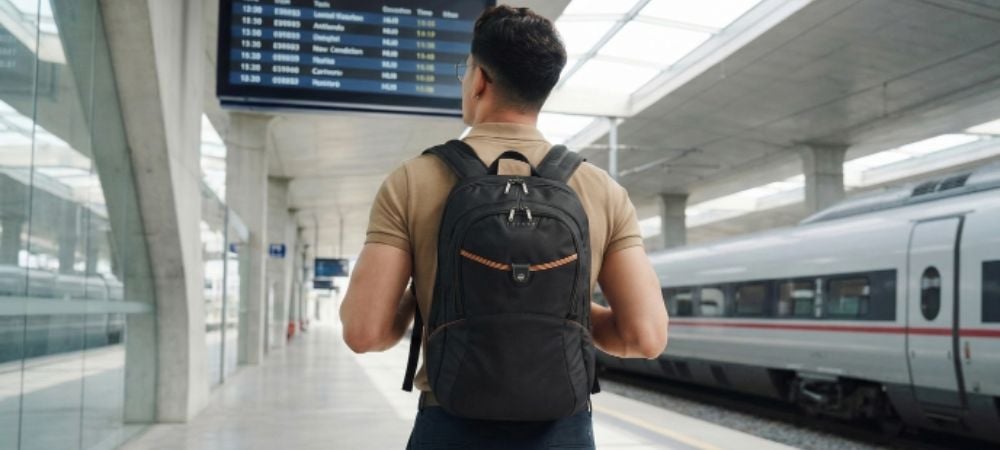
Loose straps are a major reason for backpack sagging. When straps hang too long, the bag drops lower on your back. That puts more pressure on your shoulders and makes the backpack swing as you walk. The Mayo Clinic notes that backpacks should be worn with both straps and that extra weight can affect posture by encouraging rounding of the shoulders and changes in the upper back curve. Tighten both shoulder straps until the bag sits close to your body. The backpack should not bounce. It should not hang near your hips. It should feel connected to your back. Also, use the chest strap if your bag has one. HealthyChildren.org, from the American Academy of Pediatrics, recommends adjusting shoulder straps so the backpack rests in the middle of the back and securing waist or chest straps to keep the load close.
3.Use Every Compartment with Purpose
Most people underuse their backpack compartments. They put everything in the main pocket. Then they wonder why the bag looks misshapen. Use compartments to spread weight evenly. Put flat items against the back panel. Keep small accessories in front pockets. Place bottles in side pockets. Avoid letting one side become heavier than the other. This keeps the structure balanced. It also protects your gear. For example, a travel laptop backpack often includes dedicated zones for devices, cables, travel documents, and everyday items. Use those sections properly. They are not just for neatness. They help the bag hold its shape. A well-packed backpack lasts longer because the seams, zips, base, and straps are not fighting uneven pressure all day.
4.Reinforce the Base and Weak Seams Early
Sagging often starts at the bottom, where weight collects, fabric stretches, and small problems become expensive ones. If the base feels soft, add a slim backpack base insert. You can also use a lightweight plastic sheet cut to size. Place it flat at the bottom of the main compartment. This helps distribute pressure across the base rather than letting heavy items dig into one spot. Look at the bottom corners, shoulder strap stitching, zip edges, and laptop sleeve. If you see loose threads, repair them early. A small stitch issue can become a full tear once the bag is loaded. This is also where quality matters. Bags made with stronger materials, better stitching, and reinforced panels naturally resist sagging for longer. That is why many buyers now compare durability alongside sustainability. Well-made, sustainable backpacks can reduce waste because they are designed for longer use rather than quick replacement.
5.Stop Overloading Your Backpack
Do you really need everything in your bag? Overloading is one of the easiest ways to ruin backpack shape. Extra weight stretches fabric. It weakens straps. It stresses zips. It makes the base collapse. The Mayo Clinic Health System advises using backpack compartments to distribute weight and carrying only what is needed. It also recommends tightening straps so the backpack lies close to the body. So, do a weekly clear-out. Remove old receipts. Empty snack wrappers. Take out books you do not need. Leave duplicate chargers at home or in the office. Pick up your packed bag with one hand. If it feels awkward, bulky, or bottom-heavy, it needs editing. This is one of the simplest answers to how to prevent a backpack from sagging without buying anything new.
When Your Backpack Needs an Upgrade
Sometimes, fixes are not enough.
If your backpack has completely lost its shape, the padding is flat, the base folds inward, or the straps no longer hold their adjustment, it may be time to upgrade.
Look for these features:
-
A structured laptop compartment.
-
Wide padded shoulder straps.
-
A reinforced base.
-
Strong zips.
-
Balanced internal storage.
-
Chest or waist support.
-
Durable outer fabric.
If you carry two devices, consider 2 Laptop Backpacks with properly separated compartments. Two laptops in a single loose main pocket can quickly distort the shape of a basic backpack. A better design gives each device a secure place that protects your tech.
Common Mistakes That Make Sagging Worse
Many people accidentally damage their backpacks through daily habits. One common mistake is carrying the bag on one shoulder. This twists the load, putting uneven pressure on one strap. Both the AAOS and Mayo Clinic recommend using both shoulder straps for better weight distribution. Another mistake is leaving heavy items at the very front of the bag. That pulls the backpack away from your body. You should also avoid hanging your backpack from one strap when it is fully loaded. This stretches the stitching over time. And never force zips closed. If your bag is bulging, remove something. A backpack should close cleanly. If you have to wrestle with it, the structure is already under stress.
Daily Habits That Help Your Backpack Stay Comfortable and Last Longer

Durability is not only about the backpack you buy. It is also about how you use it every day. Put your bag down gently, keep it dry when possible, clean dirt from zips, and avoid dragging it across rough surfaces. Use organizer pouches for chargers, cables, and accessories so weight does not collect at the bottom. Lift heavier bags by the top handle, not one strap. Empty your backpack every two weeks to remove clutter, inspect seams, and reset the compartments.
How Backpack Sagging Affects Comfort and Posture
Most people think a drooping backpack is only a visual issue. A poorly balanced backpack changes how your body moves throughout the day. When weight hangs too far away from your back, your shoulders naturally lean forwards to compensate. Over time, this can create tension in your neck, shoulders, and upper back. Research published by the National Library of Medicine has shown that heavy or poorly fitted backpacks can affect posture and walking patterns, particularly during prolonged weight-carrying. That means even a normal commute can feel more tiring when your bag isn't sitting properly. When a backpack loses structure, your muscles work harder to stabilize the load. You may notice shoulder fatigue, uneven pressure, or discomfort after walking short distances. The solution is not always to carry less. Often, it is about carrying smarter. A structured backpack with padded support panels distributes pressure more evenly across the back. This reduces strain and helps maintain a more natural posture throughout the day. That is especially important for commuters, university students, remote workers, and travelers who carry technology daily.
Bags to Consider for Better Support
For Heavy Tech Carry
If you carry multiple devices or heavier work gear, consider the EVERKI Business 120. It is designed for professionals who need serious storage, strong organization, and dedicated space for large laptops and accessories.
For Rolling Convenience
If shoulder strain is your biggest issue, consider the EVERKI Atlas Wheeled 2. Its wheeled design helps reduce load on your shoulders, while its organized compartments keep your gear balanced. It also includes replaceable wheels, recycled-bottle fabric, and a smart compartment layout.
For Everyday Laptop Carry
If you want a structured backpack for work, commuting, or school, explore EVERKI laptop backpacks. They offer dedicated laptop storage, organized compartments, and supportive designs that help prevent sagging caused by poor weight distribution.
For Travel and Business Use
If you travel often, look at EVERKI travel-friendly backpacks and wheeled laptop backpacks. These bags are built for laptops, accessories, documents, and daily essentials, without relying on a single overloaded main compartment.
For Longer Bag Life
If your current bag only needs minor support, EVERKI accessories, replacement parts, and bag add-ons can enhance daily use and extend the life of your travel setup.
Why Smart Backpack Design Matters More Than Ever
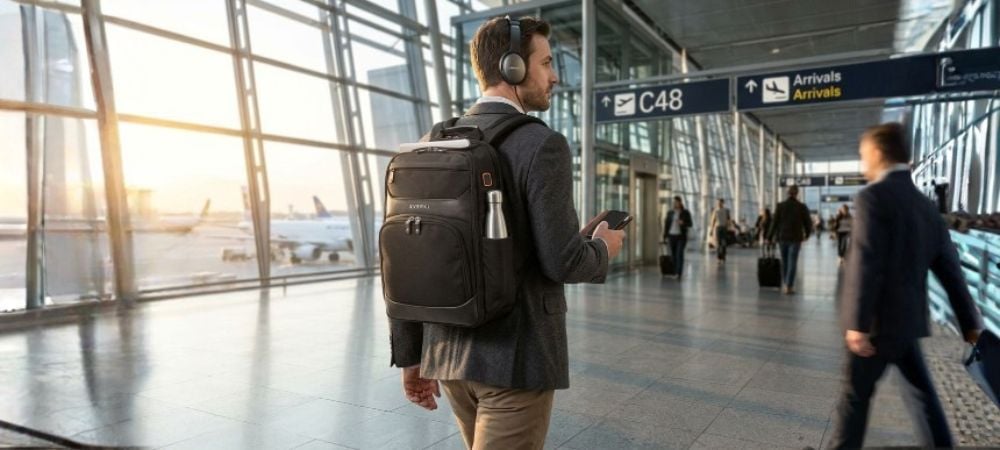
Modern life demands more from backpacks than ever before. People now carry laptops, tablets, chargers, headphones, notebooks, water bottles, cameras, and travel accessories all in one bag. Without thoughtful design, that amount of gear can quickly create structural strain. That is why premium backpacks focus heavily on ergonomic engineering. Contoured shoulder straps, reinforced bases, suspended laptop sleeves, airflow back panels, and balanced compartments all work together to reduce pressure and maintain shape. A well-designed backpack supports your daily routine instead of fighting against it. Whether you are traveling through airports, walking across campus, or commuting into the office, the right structure helps your backpack stay upright, balanced, and comfortable.
Conclusion
A sagging backpack is more than a style problem. It is a comfort problem, a durability problem, a daily frustration, but it is fixable. Pack smarter. Tighten your straps. Use compartments properly. Reinforce weak spots. Stop carrying things you do not need. And if your backpack has already lost its structure, upgrade to a durable, well-designed EVERKI backpack built for long-term comfort, organization, and performance.
Discover EVERKI’s travel-friendly backpacks, wheeled laptop backpacks, and accessories to find a better everyday carry solution.
FAQs
Why is my backpack sagging at the bottom?
Your backpack is probably overloaded, poorly packed, or missing base support. Heavy items may be pressing into the bottom instead of sitting close to your back. A firm base insert and better packing can help.
Can I fix a sagging backpack without buying a new one?
Yes. Tighten the straps, reorganize the weight, add a base insert, and repair weak seams early. These simple steps can improve the structure and extend the life of your bag.
Where should heavy items go in a backpack?
Heavy items should sit close to your back and near the center of the bag. This improves balance and reduces pulling.
Is a chest strap useful?
Yes. A chest strap helps stabilize the backpack and keeps it closer to your body. This reduces movement and strain.
When should I replace my backpack?
Replace it when the straps slip, the base collapses, the seams split, or the padding no longer protects your belongings.
Which EVERKI backpack is good for reducing shoulder strain?
A wheeled option like the EVERKI Atlas Wheeled 2 is a good choice if shoulder strain is a concern. It lets you roll the bag when carrying heavy gear and use it as a backpack when needed.